If you're researching rowing machines, one of the most important factors to understand is resistance. The type of resistance a rowing machine uses directly impacts how it feels, how quiet it is, how realistic your workout feels, and how well it fits into your home and routine.
Rowing machines use four main types of resistance: water, air, magnetic, and hydraulic. Each type creates a different rowing experience, from the smooth, dynamic feel of water resistance to the controlled precision of magnetic systems. Choosing the right one depends on your goals, space, and preferences.
What is the best type of rowing machine resistance?
Water resistance is widely considered the best overall because it delivers a realistic, low-impact, and dynamically responsive rowing experience that adapts to your effort.
If you're exploring water resistance rowers, you can compare the Ergatta Luxe and Ergatta Lite here to find the best fit for your space and training goals.
In This Guide
- What to Consider in Rowing Machine Resistance
- The 4 Main Types of Rowing Machine Resistance
- Resistance Type Comparison Table
- Which Resistance Type Is Best?
- Frequently Asked Questions
What Should You Consider When Choosing Resistance?
Before comparing resistance types, it helps to understand the factors that shape the overall rowing experience. The right resistance system can influence everything from workout feel and noise level to long-term comfort and consistency.
- Resistance range: How easy or challenging the machine can feel across workout intensities
- Resistance control: Whether you can adjust resistance easily and precisely
- Noise level: How loud the machine is during use, especially important for home settings
- Sound: The type of sound the rower produces, whether that’s a soft swoosh, fan noise, or mechanical hum
- Motion mechanics: How smooth and natural the stroke feels from start to finish
- Feel: How responsive, fluid, and consistent the resistance feels while rowing
- Realism: How closely the rowing experience mimics rowing on actual water
- Impact: How much stress the motion places on your joints and lower back
- Maintenance: The general upkeep needed to keep the machine working properly over time
The 4 Main Types of Rowing Machine Resistance
There are four primary types of rowing machine resistance: water, air, magnetic, and hydraulic. Each one creates resistance differently, which affects the feel, sound, performance, and maintenance needs of the machine.
1. Water Resistance
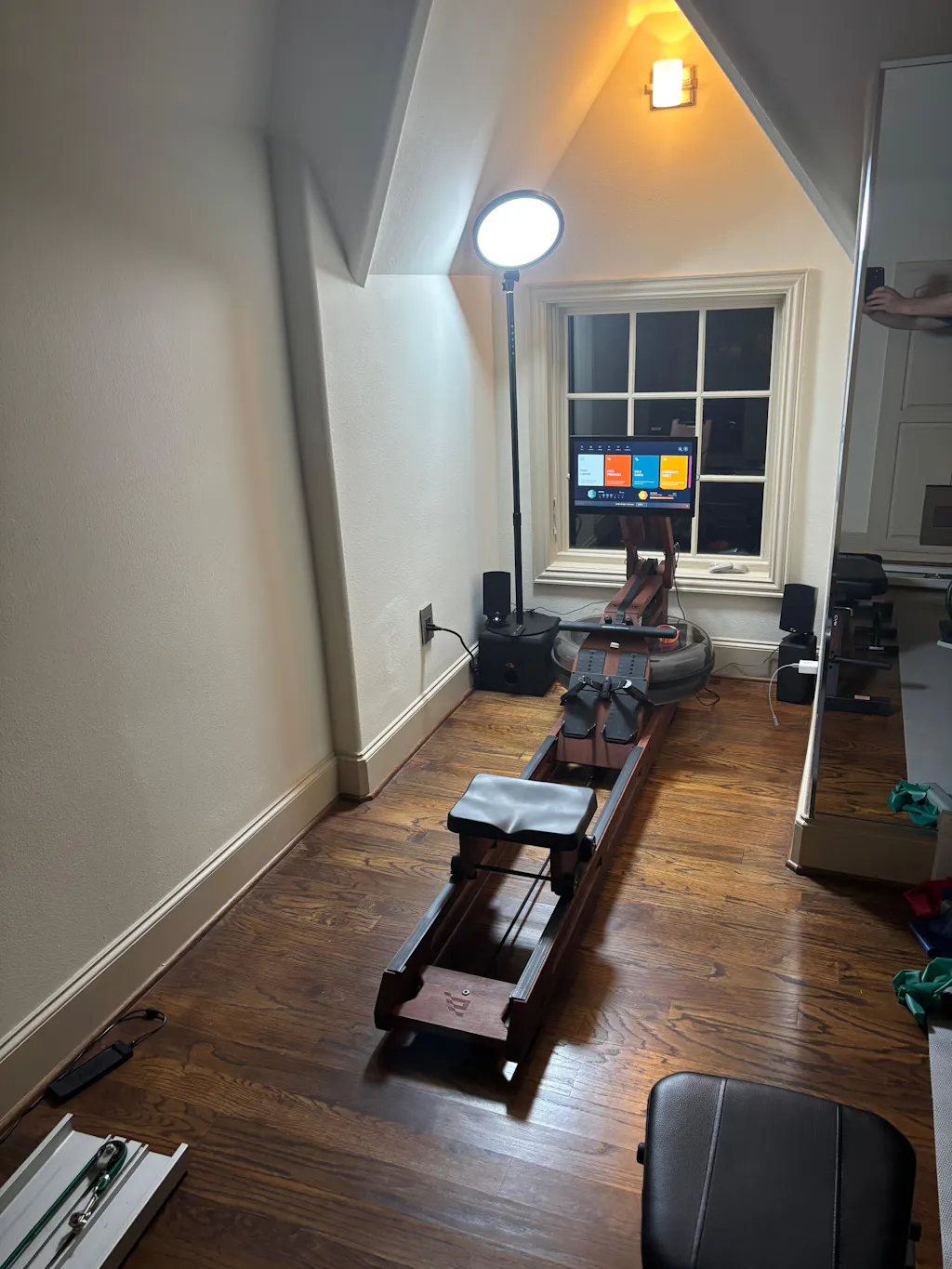
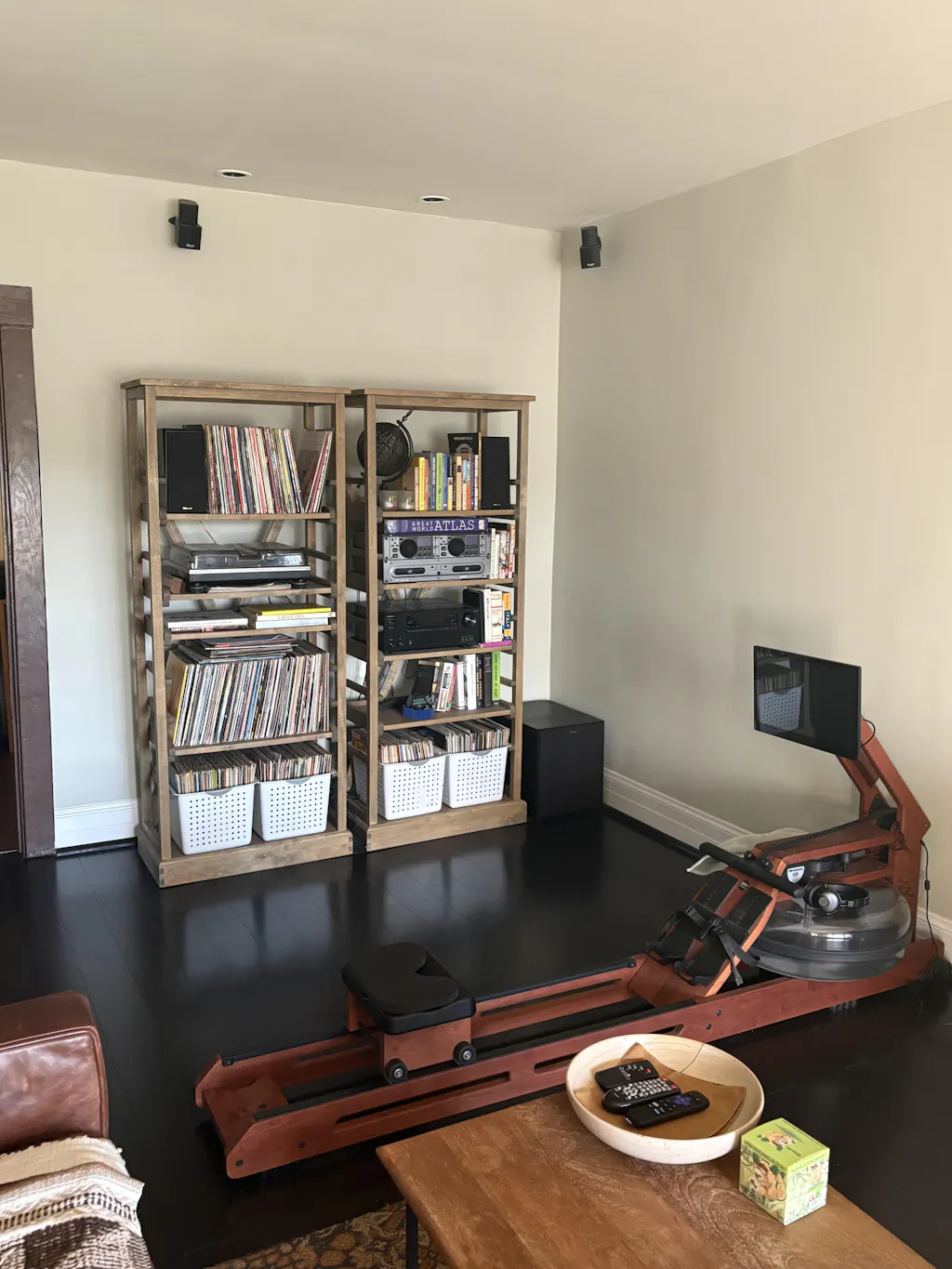
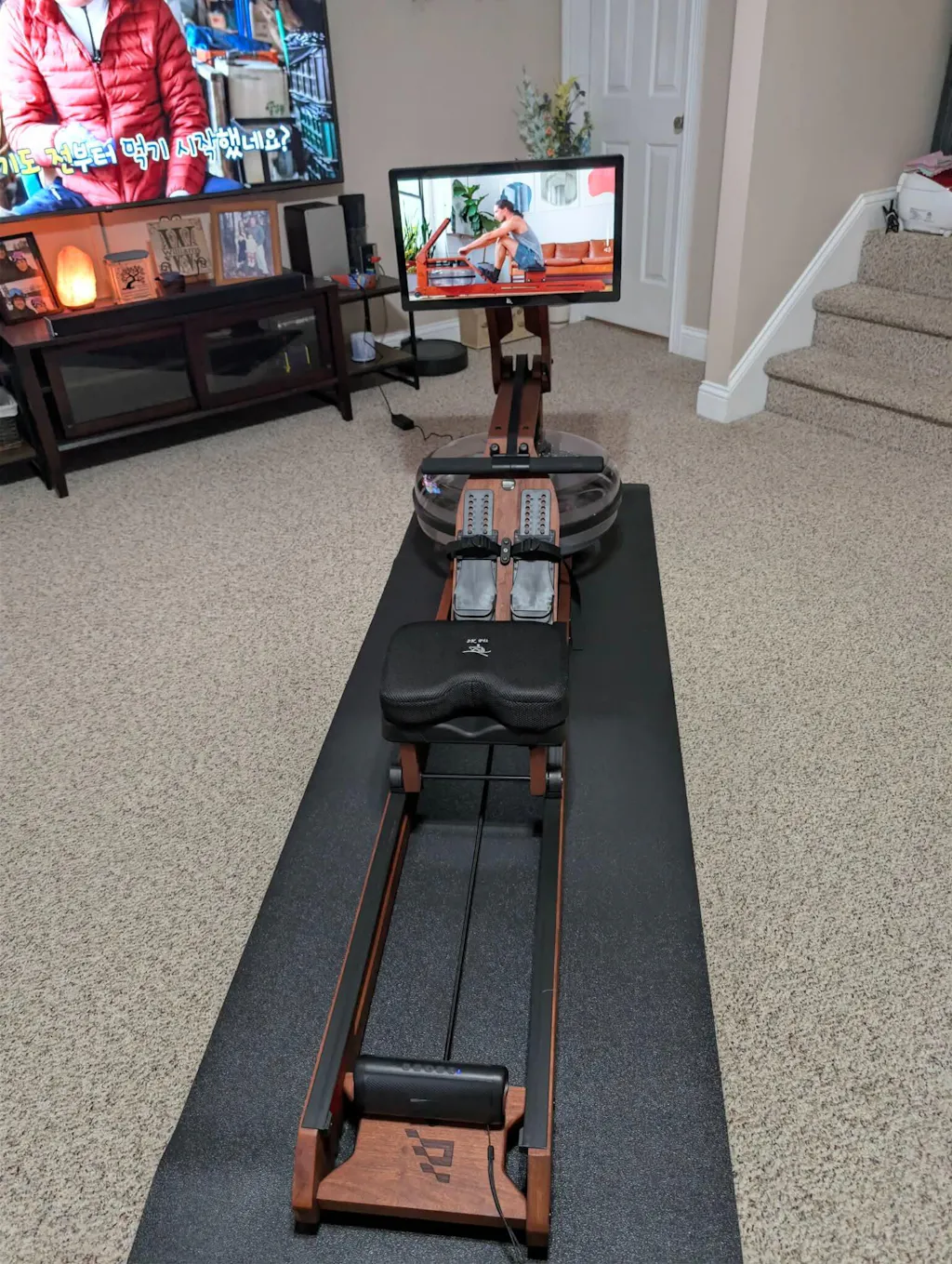
Water rowing machines use a flywheel housed in a water tank. As you pull, the flywheel moves through the water, creating resistance that increases with your effort. This makes the experience feel dynamic and more similar to rowing on actual water.
If you want a deeper look at why this style is so popular for home use, visit our water resistance page.
Pros:
- Dynamic resistance: The harder you row, the more resistance you feel, which creates a wide and intuitive resistance range.
- Quiet operation: Water rowers are well-suited for home use and produce a gentle swooshing sound rather than loud fan noise.
- Realistic feel: Water resistance is known for its smooth, fluid stroke and natural rowing feel.
- Low impact: The smooth motion can feel easier on the joints and lower back than harsher or less consistent resistance types.
Cons:
- Resistance control: While you can manually adjust resistance by adding or removing water from the tank, you cannot do so mid-workout. That said, Ergatta recommends a specific water level for optimal performance, so once it’s set, you typically do not need to make frequent adjustments.
- Maintenance: Water rowers are generally low maintenance, but they do require occasional upkeep to maintain water clarity, such as adding a purification tablet every 6–12 months. You can learn more in Ergatta’s water maintenance guide.
2. Air Resistance
Air rowers use a fan flywheel to generate resistance. As you pull, the flywheel spins and displaces air. The faster and harder you row, the more resistance you create. Many air rowers also include a damper setting that changes how much air flows to the flywheel.
Pros:
- Wide resistance range: Air resistance responds dynamically to effort and often includes manual damper adjustments.
- Responsive feel: Air rowers offer a fluid and performance-oriented stroke that many experienced rowers enjoy.
- Good for intense training: Air rowers are commonly used in gyms and performance settings because they scale well with effort.
Cons:
- Higher noise level: The spinning fan produces a loud whooshing sound that can be disruptive in apartments or shared spaces.
- Less serene sound profile: Even if the motion feels dynamic, the fan noise is noticeably louder than water or magnetic resistance.
- More maintenance: Air rowers may require cleaning of the fan area and occasional lubrication of moving parts.
3. Magnetic Resistance
Magnetic rowing machines use magnets placed near the flywheel to create resistance. Unlike water and air rowers, the resistance is generally fixed at each setting, meaning it does not naturally increase the harder you row unless the machine is programmed to do so.
Pros:
- Precise resistance control: Magnetic rowers often allow you to adjust resistance electronically or manually, even during workouts.
- Very quiet: They are one of the quietest options for home use and often produce only a soft mechanical hum.
- Smooth and controlled motion: The stroke is typically consistent and predictable.
- Low maintenance: There is no water tank or fan system to maintain.
Cons:
- Less realistic feel: Magnetic rowers may not replicate the natural feel of rowing on water as closely as water rowers do.
- Less dynamic resistance: Since resistance often stays fixed at each setting, the stroke can feel less responsive to effort.
- Potentially narrower range: Some magnetic rowers offer fewer resistance variations than water or air rowers.
4. Hydraulic Resistance
Hydraulic rowing machines use pistons or cylinders attached to the handles to create resistance. They are often the most compact and affordable option, but they typically provide the least realistic rowing experience.
Pros:
- Compact size: Hydraulic rowers are often smaller than other rowers, which can appeal to buyers focused on space savings.
- Affordable entry point: They are usually among the lowest-cost rowing machine options.
- Can be relatively quiet: Depending on the model, noise levels may be moderate.
Cons:
- Less natural motion: The stroke often feels less fluid and less like actual rowing.
- Lower realism: Hydraulic systems are generally considered the least realistic of the four resistance types.
- More joint stress: Because the motion can feel less smooth, it may create a less comfortable experience over time.
- Moderate maintenance: Hydraulic systems may require occasional checks and lubrication.
Rowing Machine Resistance Comparison Table
If you're deciding between resistance types, this side-by-side comparison can help you quickly understand the biggest differences.
| Resistance Type | Feel | Noise Level | Realism | Maintenance | Best For |
|---|---|---|---|---|---|
| Water | Smooth and dynamic | Quiet, soothing swoosh | High | Low | Home users who want realism and a premium experience |
| Air | Dynamic and performance-oriented | Loud | Moderate to high | Moderate | Gym-style training and high-intensity workouts |
| Magnetic | Controlled and consistent | Very quiet | Moderate | Low | Quiet home workouts and precise resistance adjustments |
| Hydraulic | Basic and less fluid | Low to moderate | Low | Moderate | Budget-conscious buyers with limited space |
Which Resistance Type Is Best?
The best rowing machine resistance depends on your priorities, but for most people, water resistance offers the strongest overall balance of realism, comfort, sound, and long-term enjoyment.
If you want a rower that feels natural, looks at home in your space, and supports a more immersive workout experience, water resistance is often the best fit. That’s a big reason why the Ergatta experience is built around water resistance.
If you’re newer to rowing and want to learn more before deciding, our new to rowing guide is a great next step.
Key Takeaways
- Water, air, magnetic, and hydraulic rowers all create resistance differently.
- Water resistance offers the most realistic and immersive rowing feel for most home users.
- Air rowers are dynamic but much louder.
- Magnetic rowers are quiet and precise, but often feel less natural.
- Hydraulic rowers are compact and affordable, but usually provide the least realistic rowing experience.
Frequently Asked Questions
What is the best rowing machine resistance for home use?
For most home users, water resistance is the best option because it combines a realistic feel, quiet operation, and smooth, low-impact motion.
Is water resistance better than magnetic resistance?
Water resistance generally feels more natural and dynamic, while magnetic resistance offers quieter, more precise control. The better choice depends on whether you prioritize realism or adjustability.
Are air rowers louder than water rowers?
Yes. Air rowers are typically much louder because the fan flywheel creates a strong rushing sound, while water rowers usually produce a softer, more soothing swoosh.
Do you need to adjust water resistance often?
No. While water resistance can be adjusted by changing the water level, Ergatta recommends a specific fill level for optimal performance, so most users set it once and rarely need to change it.