Introduction
As the weather warms up, it's only natural to want to spend more time outside. Longer days, fresh air, and more opportunities to walk, hike, bike, or swim can make fitness feel easier and more enjoyable.
Balancing indoor and outdoor exercise works best when you use outdoor activities for endurance, recovery, and variety, while keeping indoor rowing for structured, higher-intensity training. This approach can help you stay consistent, build fitness across the week, and enjoy the benefits of both fresh-air movement and guided workouts.
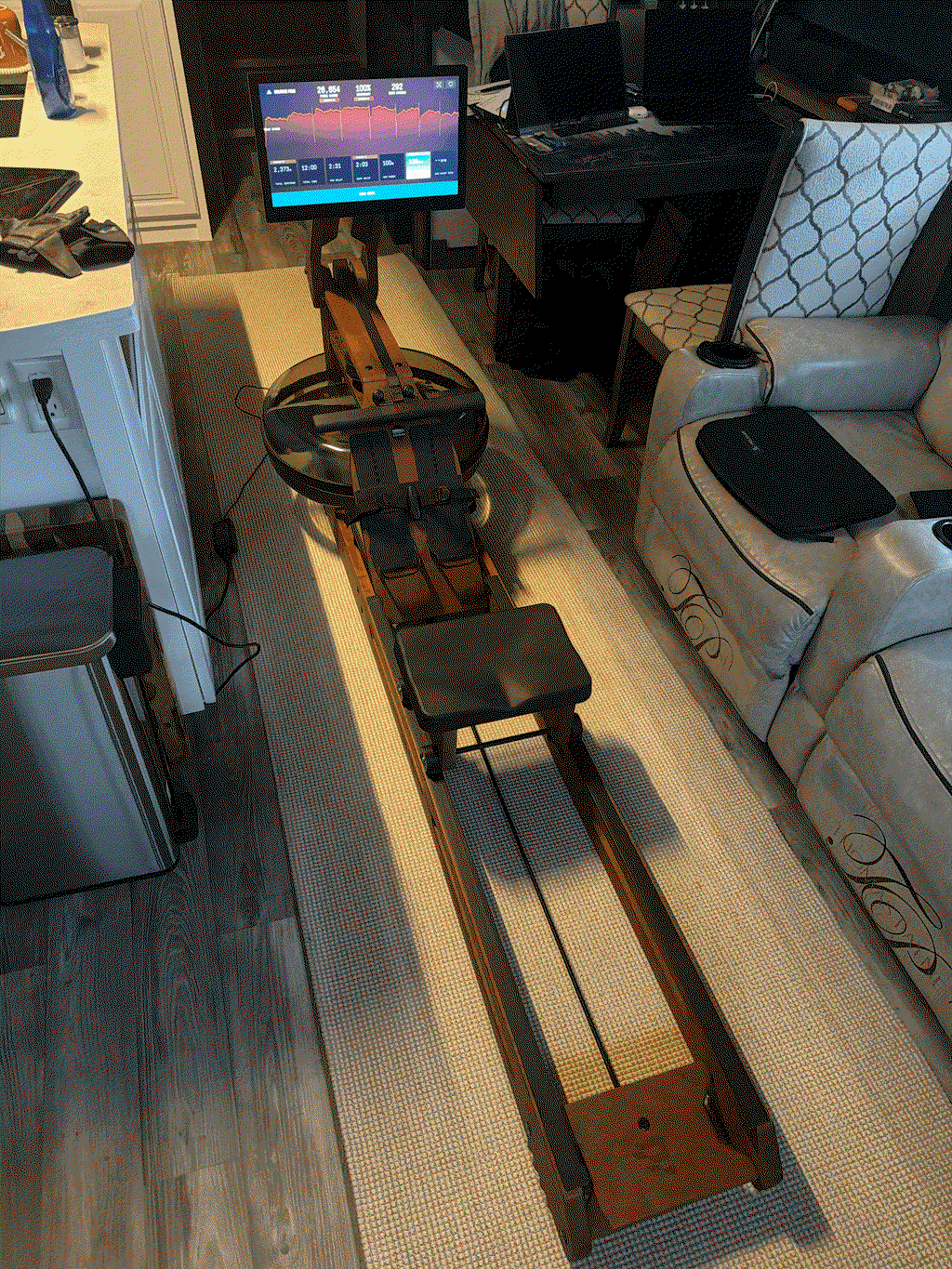
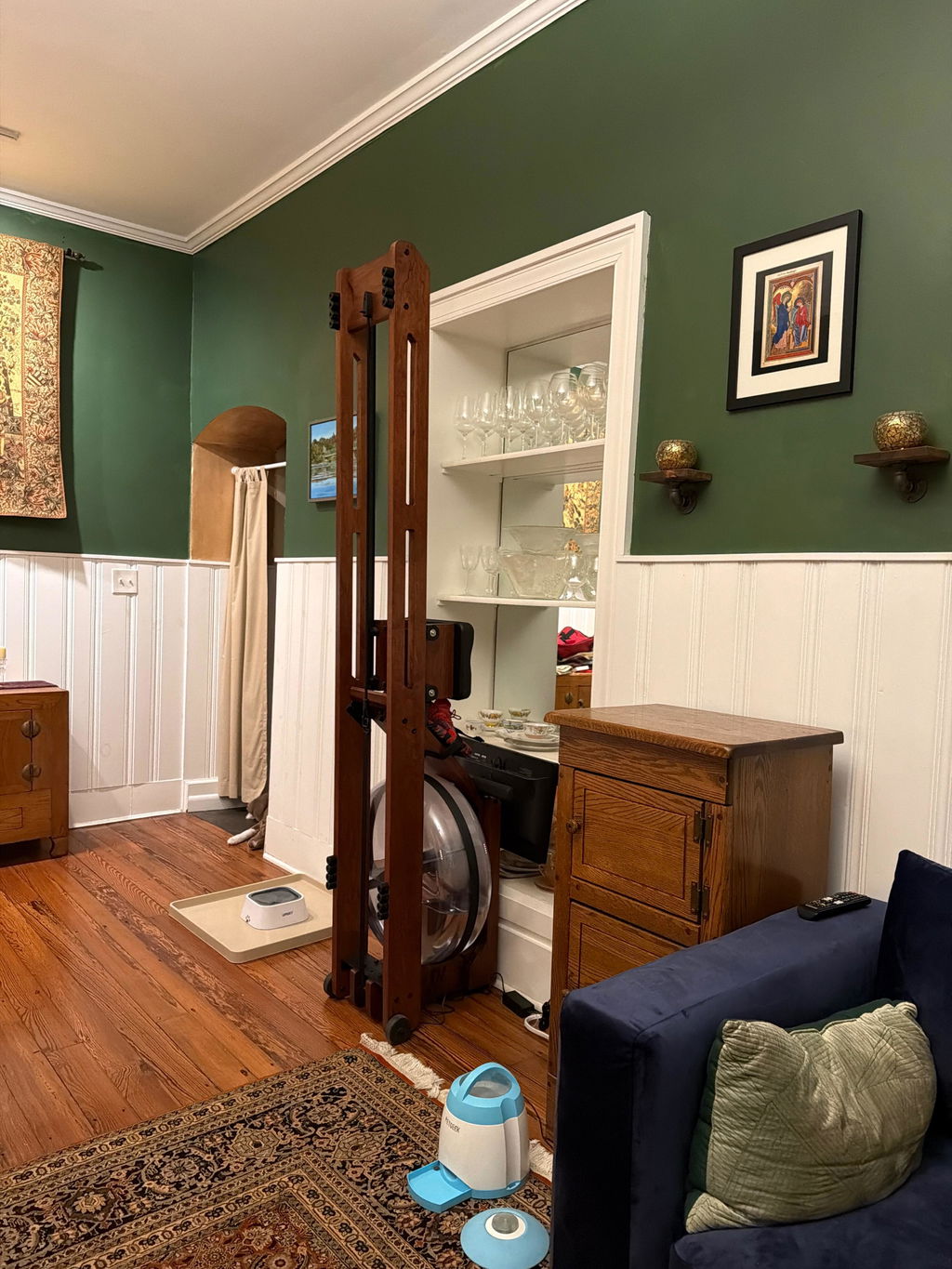
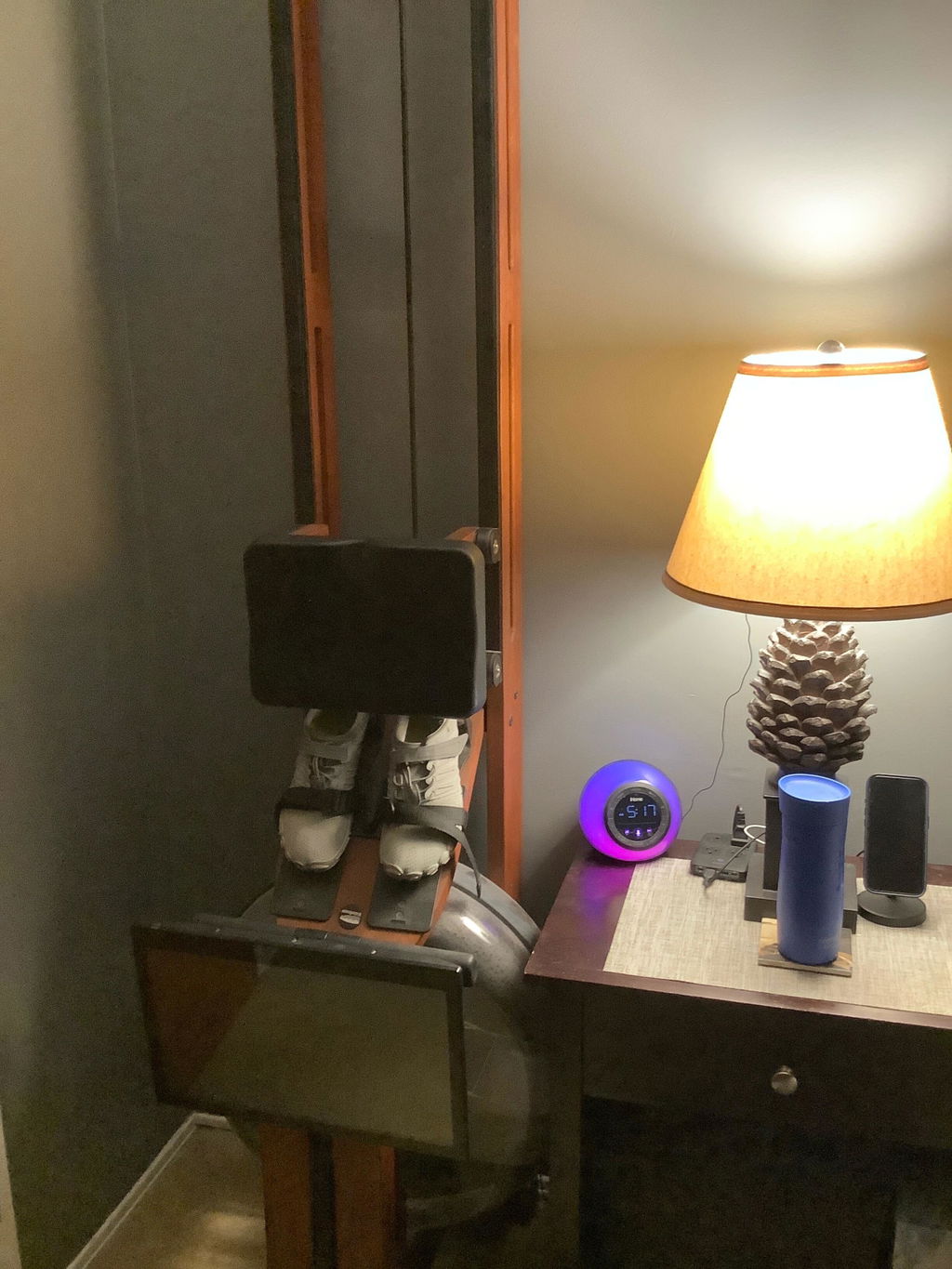
If you want a routine that feels flexible without losing structure, the Ergatta rowers make it easier to stay consistent through every season. You can also compare the rowers to find the best fit for your home and routine.
Why Are Outdoor Workouts Best for Endurance?
Outdoor activities are a great fit for endurance training, lower-intensity cardio, and recovery days. Walking, hiking, cycling, swimming, paddleboarding, and roller skating can all help you build aerobic capacity while adding more variety to your week.
This is especially useful in spring and summer, when getting outside can boost motivation and make movement feel less repetitive. Outdoor exercise can also support mental well-being — a recent systematic review and meta-analysis found that green exercise is more effective than indoor exercise at easing anxiety and improving mood — while giving your body a break from structured indoor sessions and making it easier to stay active even on days when you don't want a hard workout.
Many of these activities are low-impact too, which makes them a natural complement to rowing. Instead of turning every workout into an all-out effort, outdoor endurance sessions can help you build consistency, recover more effectively, and stay engaged with your routine over time.
That is part of what makes this combination so effective: your outdoor workouts bring flexibility and freshness, while your indoor routine keeps you grounded in a more structured training plan.

Why Use Indoor Rowing for HIIT?
While you can absolutely increase the intensity of outdoor exercise, it's often harder to structure those workouts well on your own. How long should each interval last? How hard should you push? How much recovery should you take between efforts? Without a plan, it's easy to guess wrong.
Indoor rowing gives you a much more controlled environment for high-intensity interval training. It's easier to focus on pacing, effort, and progression when you're not dealing with terrain, traffic, weather, or the logistics of getting to and from your workout.
That's where the Ergatta rowers can be especially helpful. Ergatta workouts are calibrated to your fitness level, so you're not left guessing how hard to go. Instead, you get more structure, better pacing guidance, and a workout experience that feels efficient and repeatable — especially on busy weekdays or days when the weather isn't working in your favor.
You can find interval-based and higher-intensity workouts across the Ergatta game-based workouts, whether you prefer competition-driven formats like Race and Vortex or solo, game-based training like Meteor, Pulse, Echo, Wavelength, and Endeavor. That variety can make it easier to maintain motivation while still keeping your training purposeful.
Outdoor Endurance vs. Indoor Rowing HIIT
| Workout Type | Best For | Why It Works |
|---|---|---|
| Walking, hiking, cycling, swimming | Endurance, recovery, aerobic base | Adds variety, supports lower-intensity volume, and makes it easier to enjoy more movement outdoors |
| Indoor rowing on Ergatta | HIIT, pacing, structure, progression | Provides calibrated workouts, controlled intervals, and an easier way to train with consistency at home |

What Is a Good Weekly Cadence for Indoor and Outdoor Workouts?
A simple way to balance indoor and outdoor exercise is to start with at least two more structured rowing sessions each week, then use other active days for outdoor endurance or recovery work. This gives you the benefits of both consistency and flexibility.
For example, you might row twice during the workweek when time is tighter and convenience matters most, then use weekends or lighter days for hikes, long walks, bike rides, or other outdoor movement. That rhythm can make it easier to stay active without feeling boxed into the same routine every day.
One balanced weekly cadence might look like this:
- 2 days of indoor rowing workouts
- 2–3 days of outdoor endurance or low-intensity cardio
- 1–2 lighter recovery or rest days, depending on your schedule
The exact mix will depend on your goals, schedule, and energy level, and it should still add up to something close to the CDC's recommended 150 minutes of moderate-intensity activity per week. But in most cases, the best plan is the one you can realistically sustain. A convenient home workout option can make a big difference here, especially when you need to fit exercise around work, weather, or family routines.
How Can You Stay Accountable as the Seasons Change?
Season changes can make routines feel less predictable. Schedules get busier, travel picks up, and sunny weather can make it tempting to skip the structure you worked hard to build earlier in the year. That's why it helps to create a routine that's flexible enough for real life, but still anchored by habits you can repeat — especially since research tracking adults' activity levels found that colder weather and shorter days measurably reduce outdoor movement, while milder, longer days naturally boost it.
A few simple strategies can help you stay consistent:
- Bring a friend along for walks, hikes, or other outdoor plans
- Rotate outdoor activities to keep your routine interesting
- Plan around common obstacles like heat, allergies, or packed weekends
- Use structured indoor workouts when you don't want to decide what to do
- Set or update a weekly goal that fits your current schedule
This is another place where indoor rowing can support long-term consistency. With the Ergatta membership, it's easier to choose a workout, follow a program, and keep progressing without spending time figuring out what to do next. That can be especially valuable during seasons when routines naturally shift.
And on extra hot days, rainy days, or days when getting outside just isn't realistic, your rower gives you a dependable backup. Instead of skipping the workout entirely, you still have an option that's convenient, effective, and right there at home.
Bottom Line
Balancing indoor and outdoor exercise isn't about choosing one over the other. It's about using each setting for what it does best: outdoor workouts for endurance, variety, and fresh air, and indoor rowing for structured, efficient training you can return to again and again.
If you want to stay active through every season, the strongest routine is one that gives you flexibility without sacrificing consistency. Outdoor movement can keep fitness feeling fresh, while the right cardio routine and a structured rowing practice on Ergatta can help you stay on track when life gets busy.
Key Takeaways
- Balancing indoor and outdoor exercise works best when each has a clear role in your routine
- Outdoor activities are ideal for endurance, recovery, and movement variety, and research links green exercise to stronger mental health benefits than indoor exercise
- Indoor rowing is especially useful for structured, efficient HIIT workouts at home
- Weather and shorter days measurably reduce outdoor activity, so having an indoor backup matters most exactly when motivation dips
- The Ergatta rowers help make consistency easier with calibrated workouts and a convenient home setup
- A sustainable weekly routine might include two rowing days and two to three outdoor activity days