Introduction
We like to think fitness is a discipline problem. That if you wanted it badly enough, you'd just show up — every day, no matter what. But that story doesn't hold up. Most people don't fall off workout routines because they lack motivation. They fall off because the system isn't designed to keep them engaged.
Game-based fitness works because it replaces willpower with design. Instead of relying on discipline alone, it uses interactive challenges, real-time feedback, and structured progression to make workouts engaging, personalized, and easier to repeat over time.
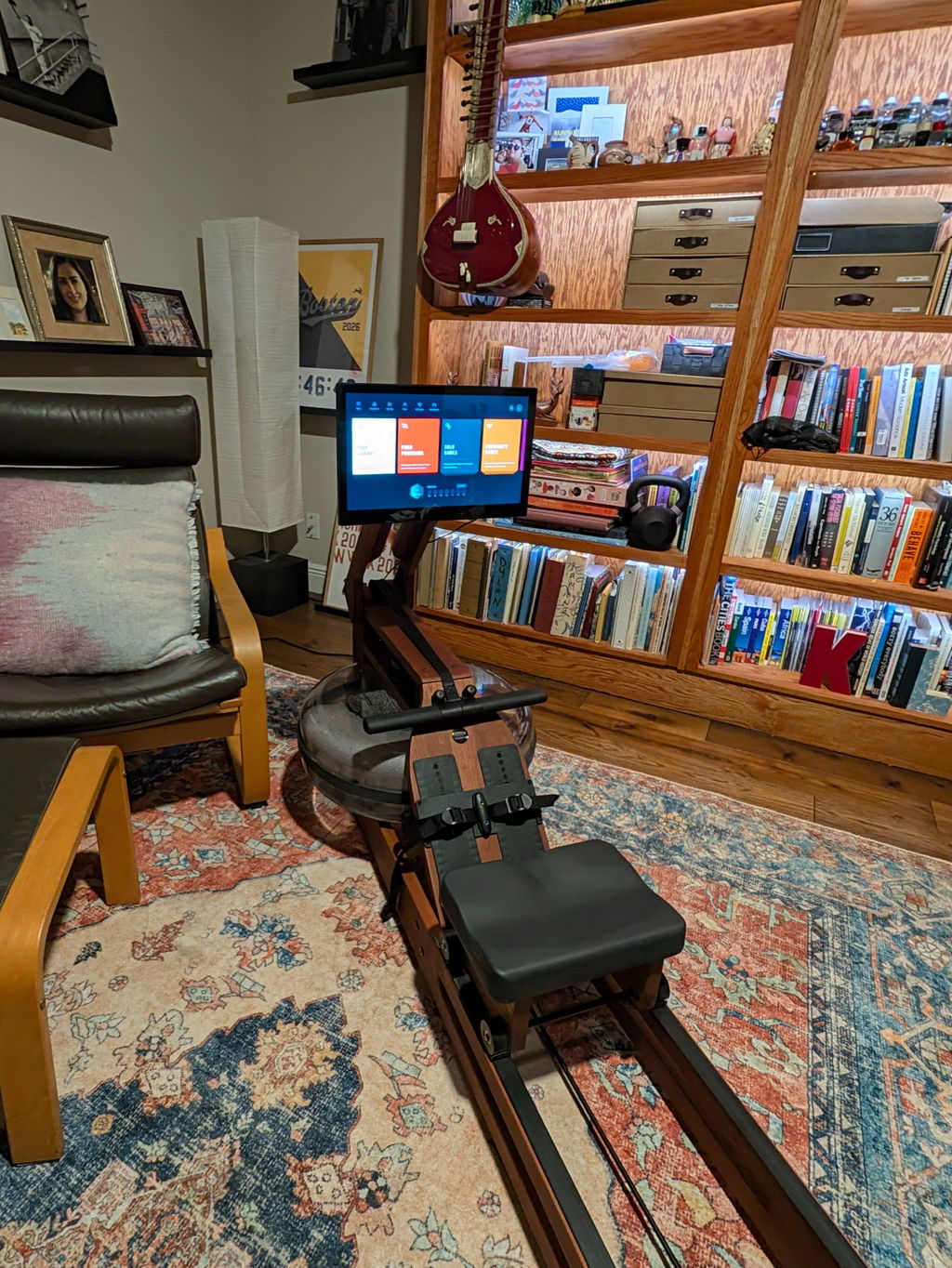
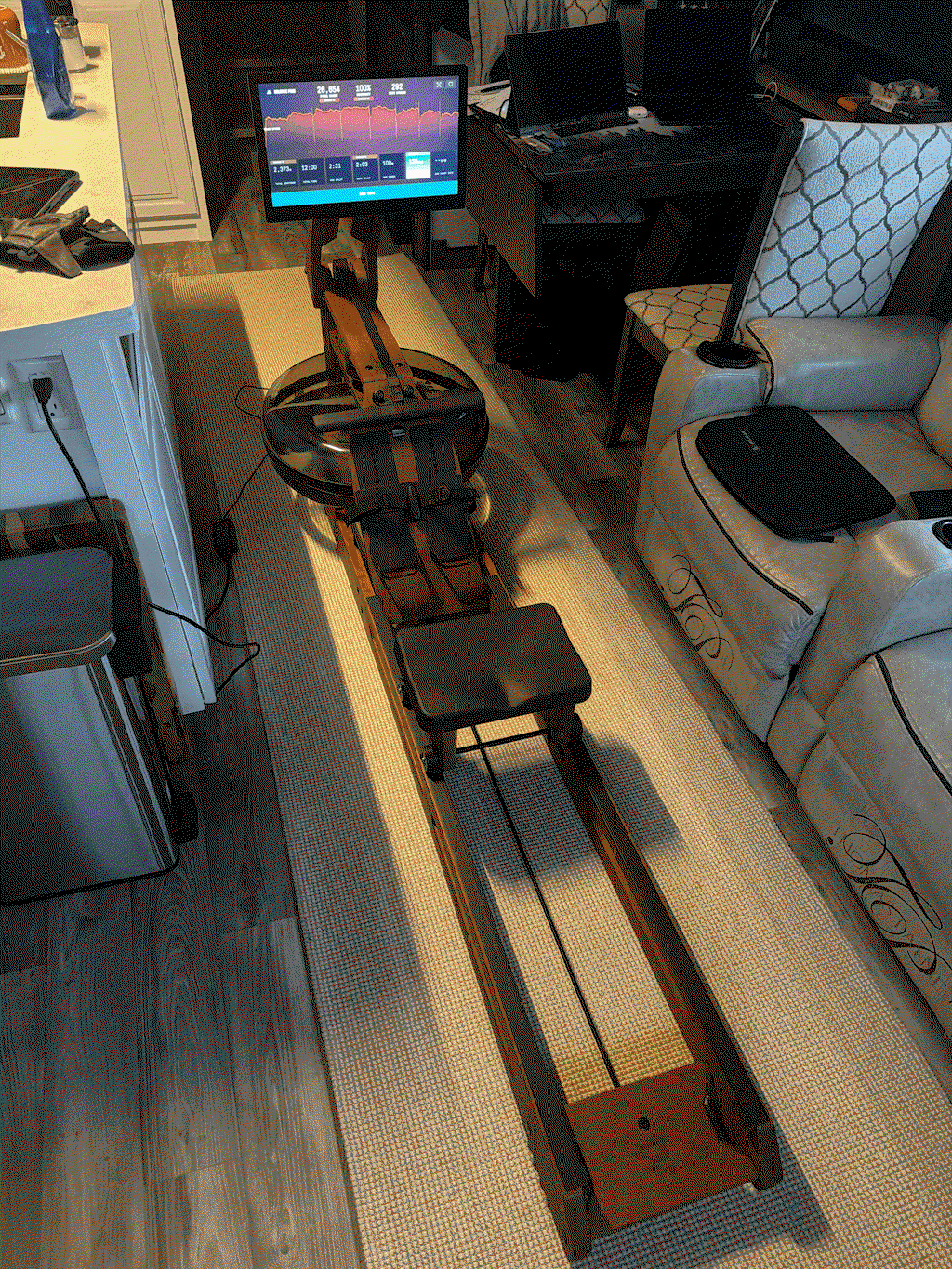
If you're exploring how game-based fitness works in practice, you can compare the Ergatta Luxe and Ergatta Lite to see which fits your space and training style.
Why Willpower Fails
Willpower works in short bursts. It's useful for starting something new, but it's unreliable over time. It fluctuates depending on stress, fatigue, and how much mental energy you've already spent in a day — psychological research on self-control confirms willpower is a limited, fluctuating resource, not a fixed trait you either have or don't. Designing a workout routine that depends on constant self-control isn't sustainable.
Traditional fitness programs often rely on this model. More discipline. More consistency. More effort. When people fall off, the assumption is that they failed. In reality, the system failed them. Game-based fitness takes a different approach. Instead of asking you to push through resistance, it removes it. Workouts become engaging enough that showing up feels easier.
How Game-Based Fitness Works
Game-based fitness works because it makes the workout itself engaging. Instead of relying on outcomes alone, it focuses on the experience. When a workout is interactive and rewarding in the moment, you don't need to convince yourself to start. A meta-analysis of randomized controlled trials found that gamified physical activity interventions outperform standard, non-gamified programs, with the effect holding consistently across age groups.
On Ergatta, that might mean racing someone in your tier, improving your previous performance, or rowing alongside your personalized Rowbot. The focus shifts from obligation to curiosity. Explore the full range of game-based workouts to see what that looks like in practice.
Core Design Principles
Effective fitness games are built on systems that work together. Ergatta begins with a short calibration workout that establishes your baseline. From there, every session adapts to your performance. As you improve, the difficulty adjusts so workouts remain appropriately challenging — you can read more about how this personalization and intelligence works under the hood.
Each action you take produces immediate feedback. Your effort directly impacts what happens on screen, creating a clear connection between movement and outcome. Research on reward timing supports this design choice: immediate feedback tends to reinforce behavior more effectively than delayed rewards. This combination of personalization and responsiveness makes workouts feel intuitive, engaging, and relevant over time.
Game Formats That Keep Workouts Engaging
Staying consistent requires workouts that feel engaging day to day. Ergatta offers different ways to train depending on what motivates you. You can compete against other members, challenge your past performance, or follow a pacing partner through structured sessions.
Some workouts are fast and competitive. Others focus on pacing or endurance. This variety keeps things interesting while still building measurable progress.
If you want to explore how different Ergatta models deliver this experience, visit the compare rowers page.
The Meta-Game: Long-Term Progression
Individual workouts create engagement in the moment. Long-term consistency comes from progression. Ergatta's tiers, rankings, milestones, and streak tracking create a system where each session contributes to something larger — including Rivals and community challenges that add social accountability on top of individual progress. Over time, workouts stop feeling like isolated decisions. They become part of an ongoing progression that you naturally want to continue.
The Bottom Line
People don't need more motivation. They need better systems. When workouts are engaging, adaptive, and built around real progress, consistency becomes easier. That's what effective fitness game design delivers. It turns workouts from something you try to maintain into something that fits naturally into your routine.
Key Takeaways
- Fitness systems fail when they rely only on willpower, which is a limited and fluctuating resource
- Game-based fitness improves consistency through engagement, and research shows gamified programs outperform standard exercise programs
- Personalization keeps workouts relevant to your current fitness level
- Immediate feedback reinforces behavior more effectively than delayed rewards
- Variety prevents repetition and keeps workouts engaging day to day
- Progression systems like tiers, streaks, and Rivals build long-term habits