We like to pretend fitness is a discipline problem. That if you really wanted it badly enough, you’d just show up—every day, no matter what.
But that story doesn’t hold up.
People don’t fall off workout routines because they lack character. They fall off because willpower is fragile. It drains under stress. It cracks under boredom. And it rarely survives a long day. Designing fitness around constant self-control isn’t tough-minded. It’s unrealistic.
That’s why fitness built around play works. Not because it makes workouts easier—but because it makes them worth repeating.
WILLPOWER IS THE WRONG TOOL
Willpower is useful in short bursts. It’s how you start a difficult new behavior. But for most of us, it isn’t how we sustain it.
For decades, behavioral research has shown that an individual’s self-control fluctuates. It drops, for example, when you’re tired, overwhelmed, or forced to make too many decisions. Asking willpower to carry your fitness routine week after week is like asking a sprint muscle to run a marathon.
Traditional fitness programs glorify willpower as a prime motivator, despite its known fickleness. More grit. More discipline. More “push through it.” When people burn out, the blame lands on them—not the system.
That’s a design failure.
Game-based fitness takes a different stance. Instead of embracing resistance, it removes it. Curiosity replaces dread. Engagement replaces obligation. You don’t override your brain—you work with it.
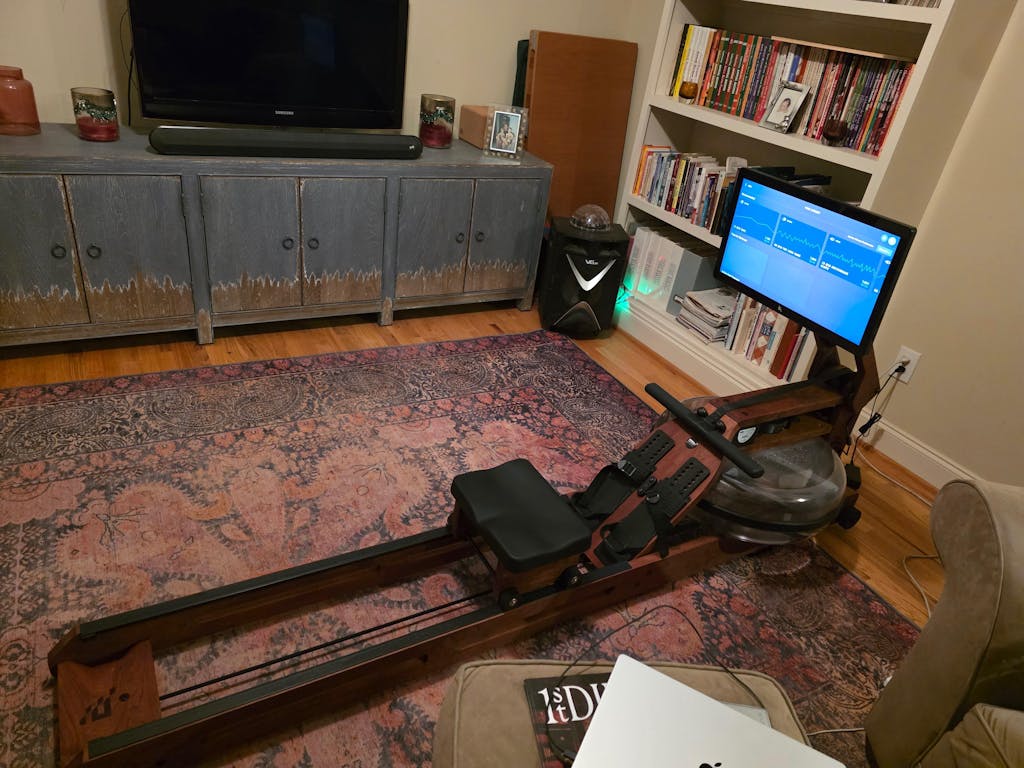
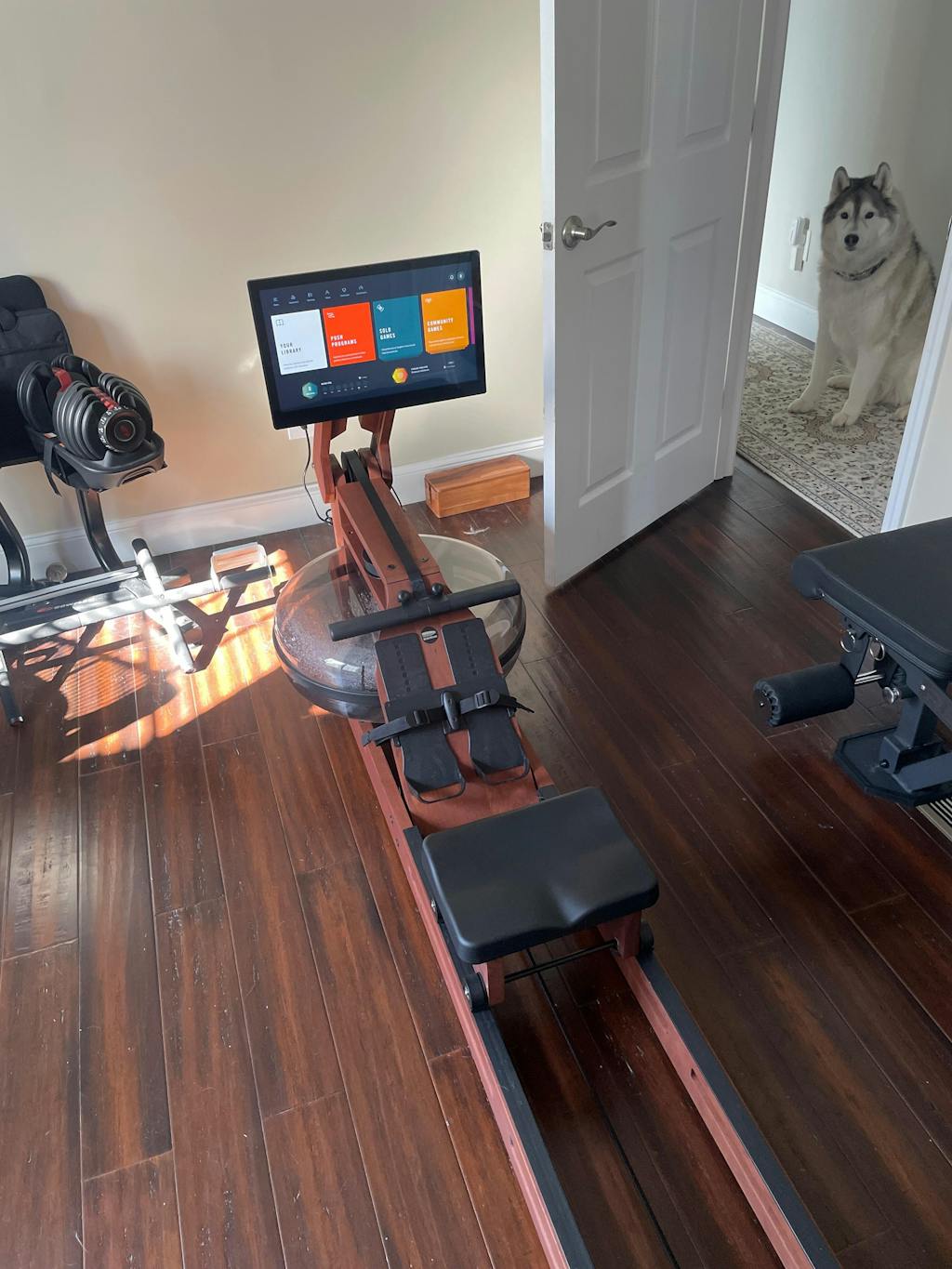
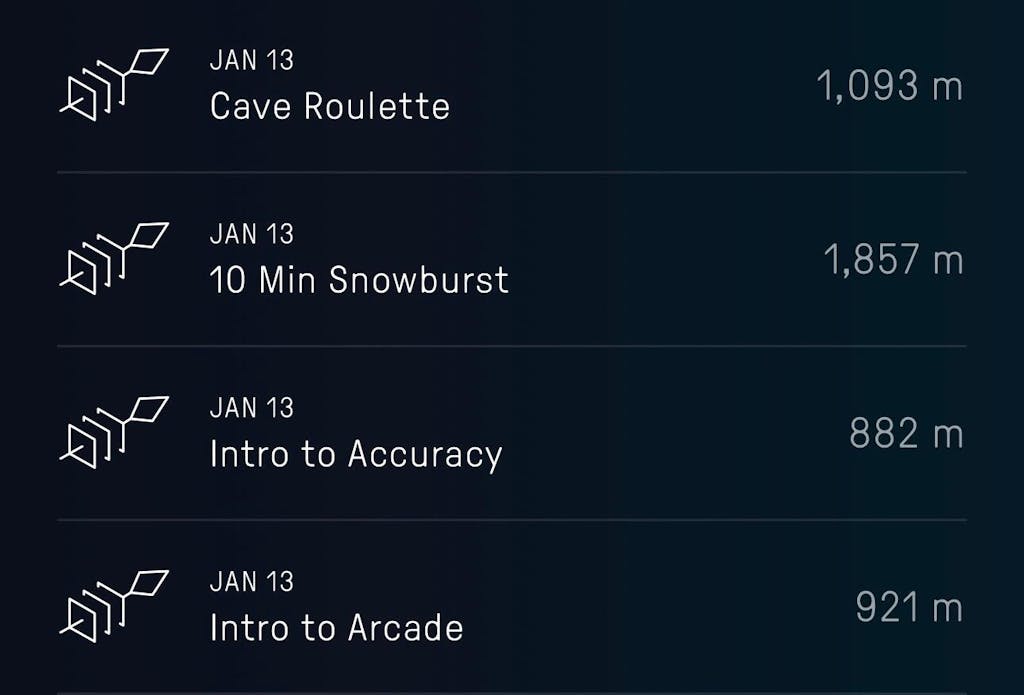
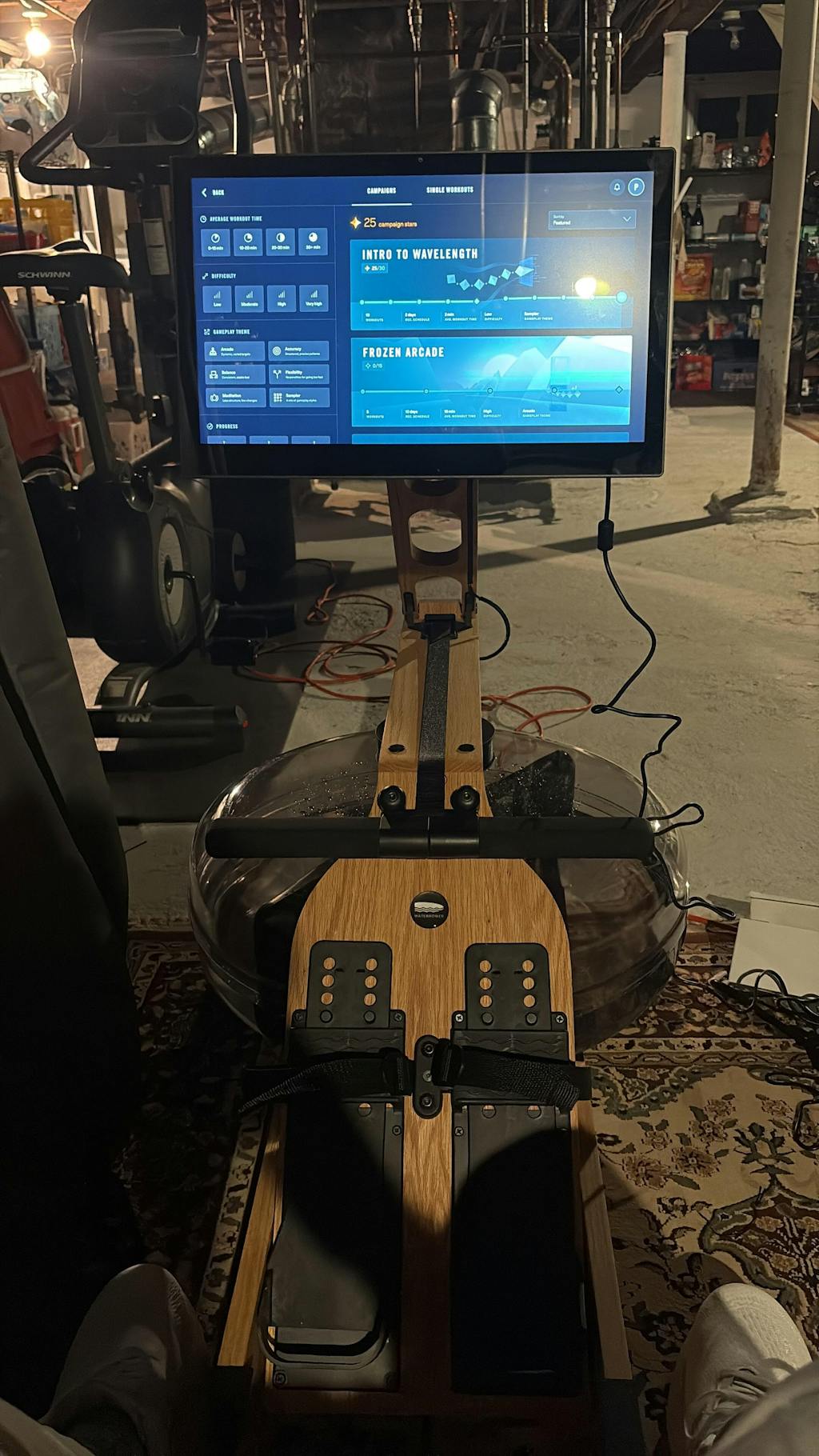
With Ergatta, that might mean chasing a personal best, threading through obstacles, or racing a virtual rival. The thought shifts almost without you noticing—from *I should work out* to I want to see what happens if I try this.
GAME-BASED FITNESS REWIRES MOTIVATION
Game-based fitness works because it relies on play, which taps into **intrinsic motivation.** When you enjoy the process of doing something, you don’t need constant reminders of the outcome; the experience itself pulls you in. Self-determination theory, a popular framework in behavior science, identifies the three most important factors—ie, *needs*—that determine why people stick with certain behaviors and abandon others.
- Autonomy– Do you feel like you have a choice over whether to do something
- Competence– Do you feel that you could become competent at that activity?
- Relatedness – Do you feel that the activity connects you with others?
Most fitness products talk about results and ignore autonomy, competence, and relatedness drivers entirely. Well-designed, game-driven training doesn’t. It gives you control over how you play, clear signals that you’re improving, and meaningful ways to measure yourself—against friends, rivals, or your own past performance.
THE ROLE OF HABIT FORMATION
Motivation helps you start; habits carry you forward.
Habits form when behaviors feel complete, rewarding, and repeatable. Game-based workouts create that loop naturally. There’s always feedback, an outcome, and another chance to top your score tomorrow.
With Ergatta, every workout has structure and closure—tokens earned, rivals outraced, obstacles cleared. Each session feels purposeful and finished, not abandoned halfway through. Over time, that changes the mental math. Starting stops feeling like a negotiation.
This is the part fitness rarely admits: **people don’t need more motivation. They need better systems to support them.
WHY ERGATTA'S GAME-BASED MODEL WORKS
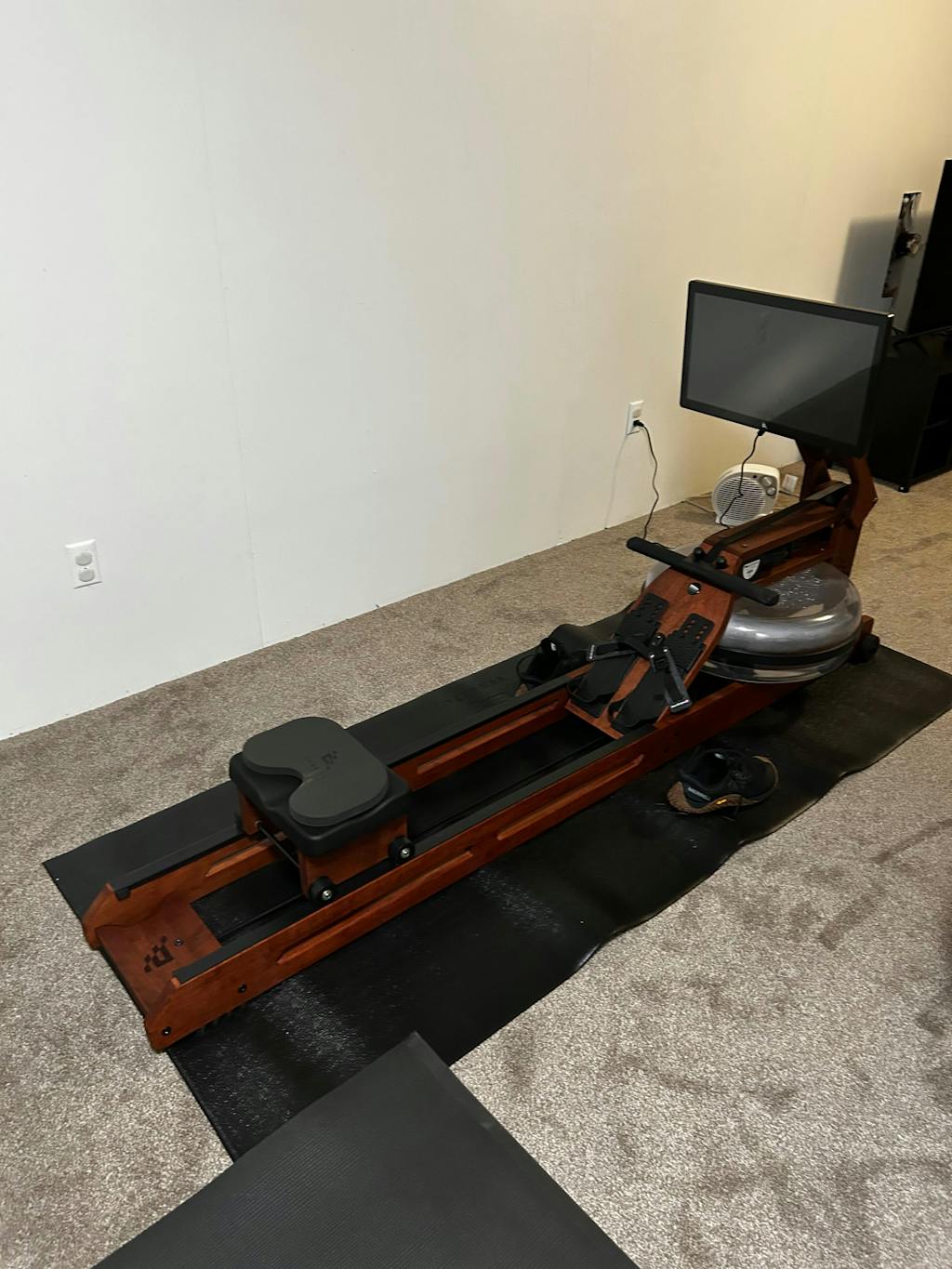
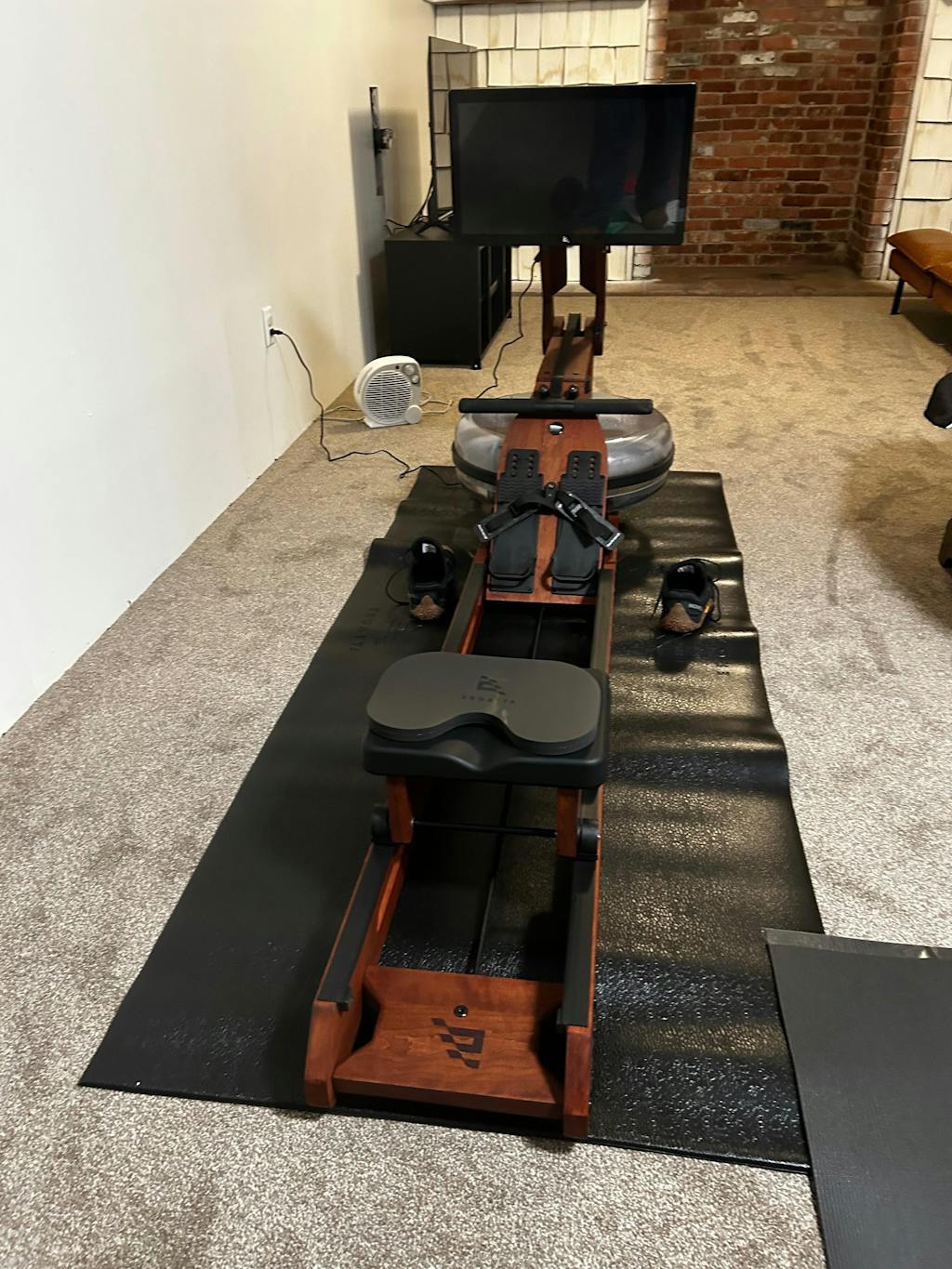
Ergatta doesn’t treat games as a distraction from fitness. The games *are* the workout.
Our calibration system ensures that every workout and game is fine-tuned to meet you where you are. Responsive re-calibration adjusts workouts and games to you over time, keeping them from going stale. And game-based workouts require strategy, giving your brain something to chew on when your body starts to fatigue.
Games like Meteor, Wavelength, Endeavor, and Races don’t ask you to ignore discomfort—they give you something more interesting to focus on. Effort becomes a means to an end, not the point itself.
And the community layer—Challenges, Rivals, Rankings—adds accountability without judgment. You’re not chasing perfection. You’re tracking progress.
THE FUTURE OF FITNESS IS PLAY
The next evolution of fitness won’t come from louder motivation or harsher discipline. It will come from design that respects how people actually behave.
When workouts feel adaptive, engaging, and—yes—fun, consistency stops being a struggle. It becomes a side effect
If fitness has never stuck for you, that’s not a personal failing. It’s a signal. And systems built around play—like Ergatta—are designed to listen to it.
Play isn’t the opposite of serious training.
It’s how serious training finally works.
FAQs
What is game-based fitness?
Game-based fitness uses interactive challenges, goals, and feedback systems to make workouts engaging and motivating, rather than relying on discipline alone.
Why does game-based fitness improve consistency?
Because it activates intrinsic motivation, provides instant rewards, and reduces mental resistance to starting a workout.
Is game-based fitness effective for beginners?
Yes. When paired with personalization, game-based workouts adapt to individual fitness levels, making them approachable and sustainable.
How is Ergatta different from other gamified workouts?
Ergatta combines real-time calibration, strategic gameplay, and community features—without relying on instructor-led classes.